

Conservation and Display
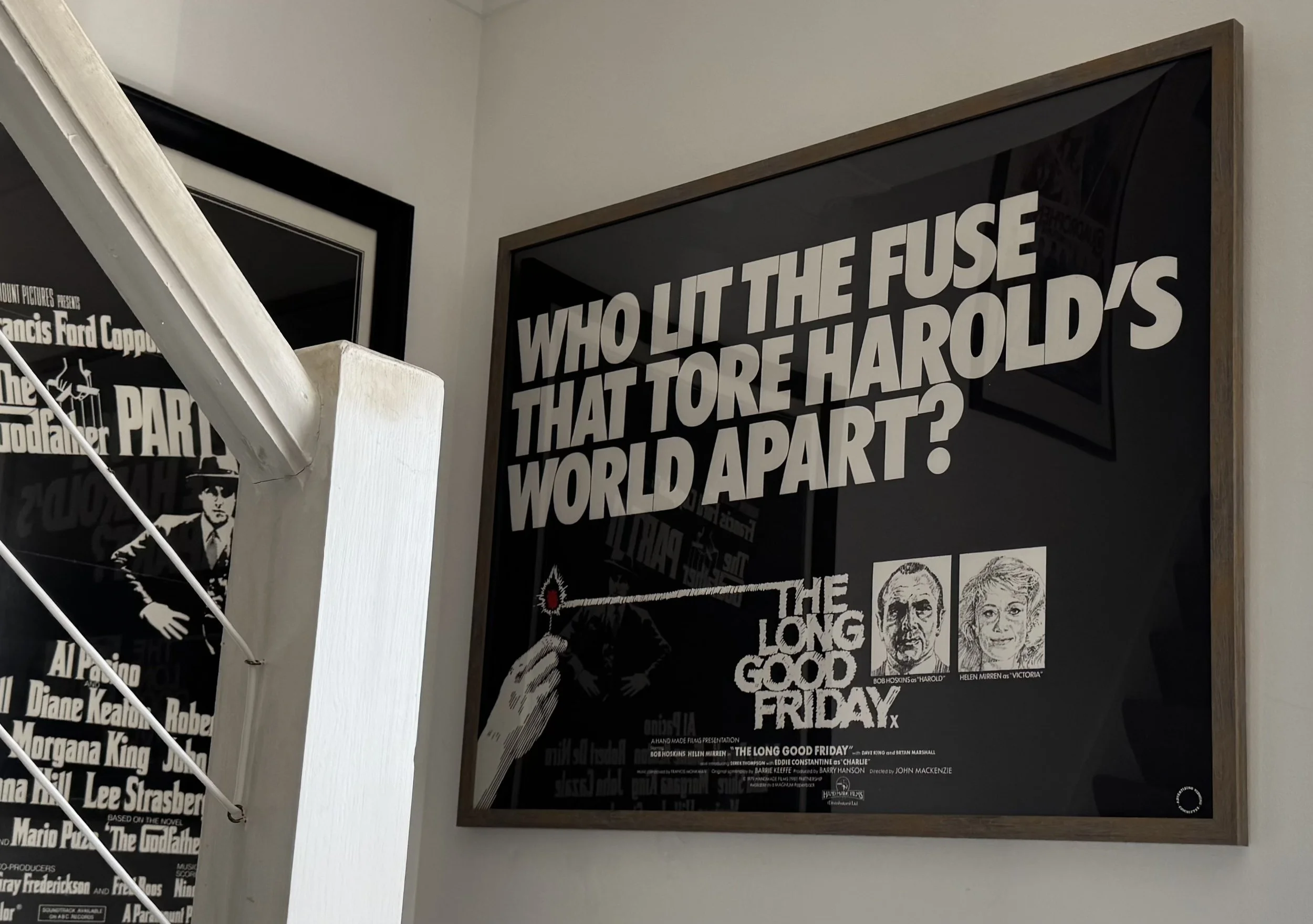
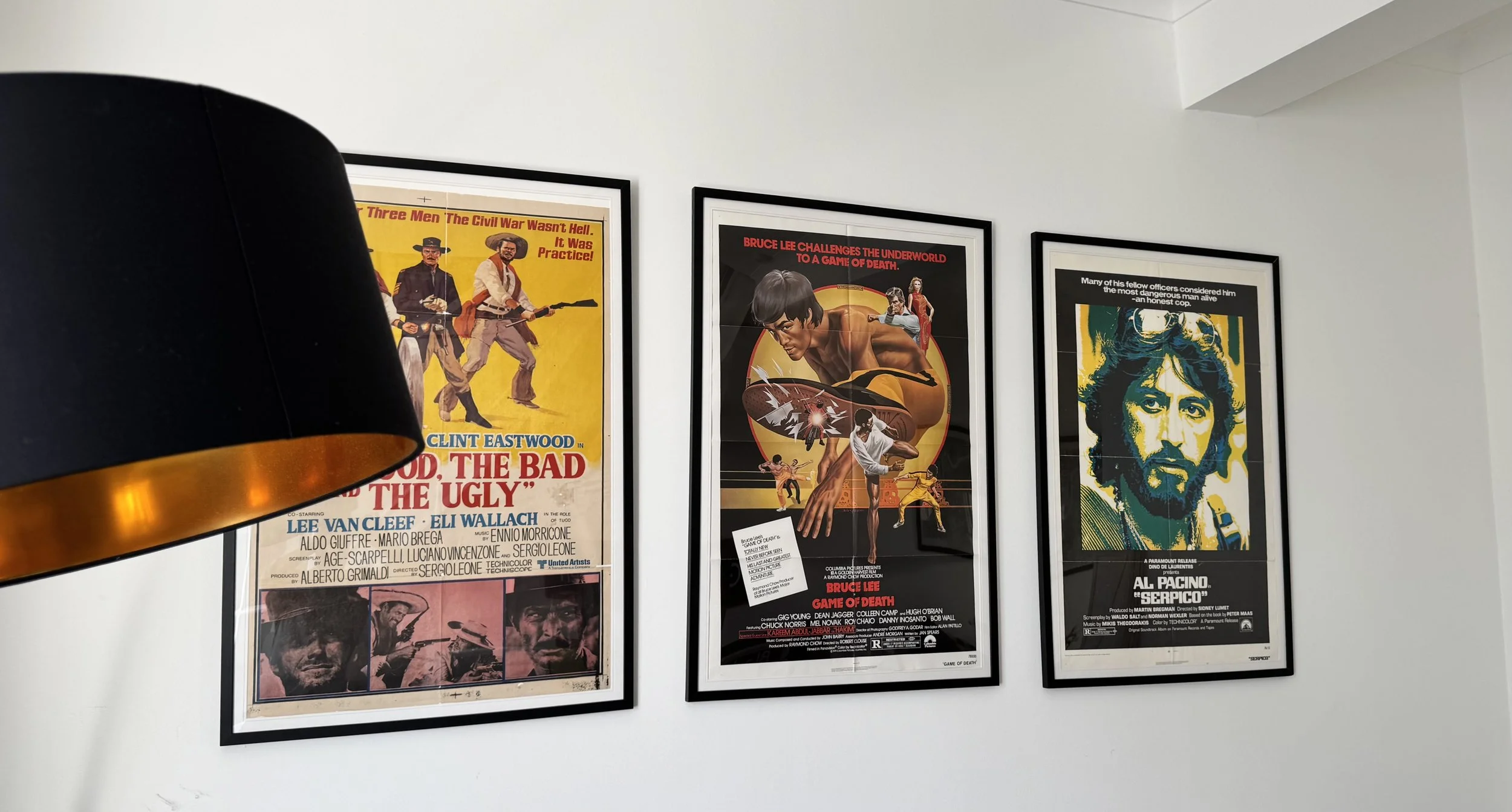
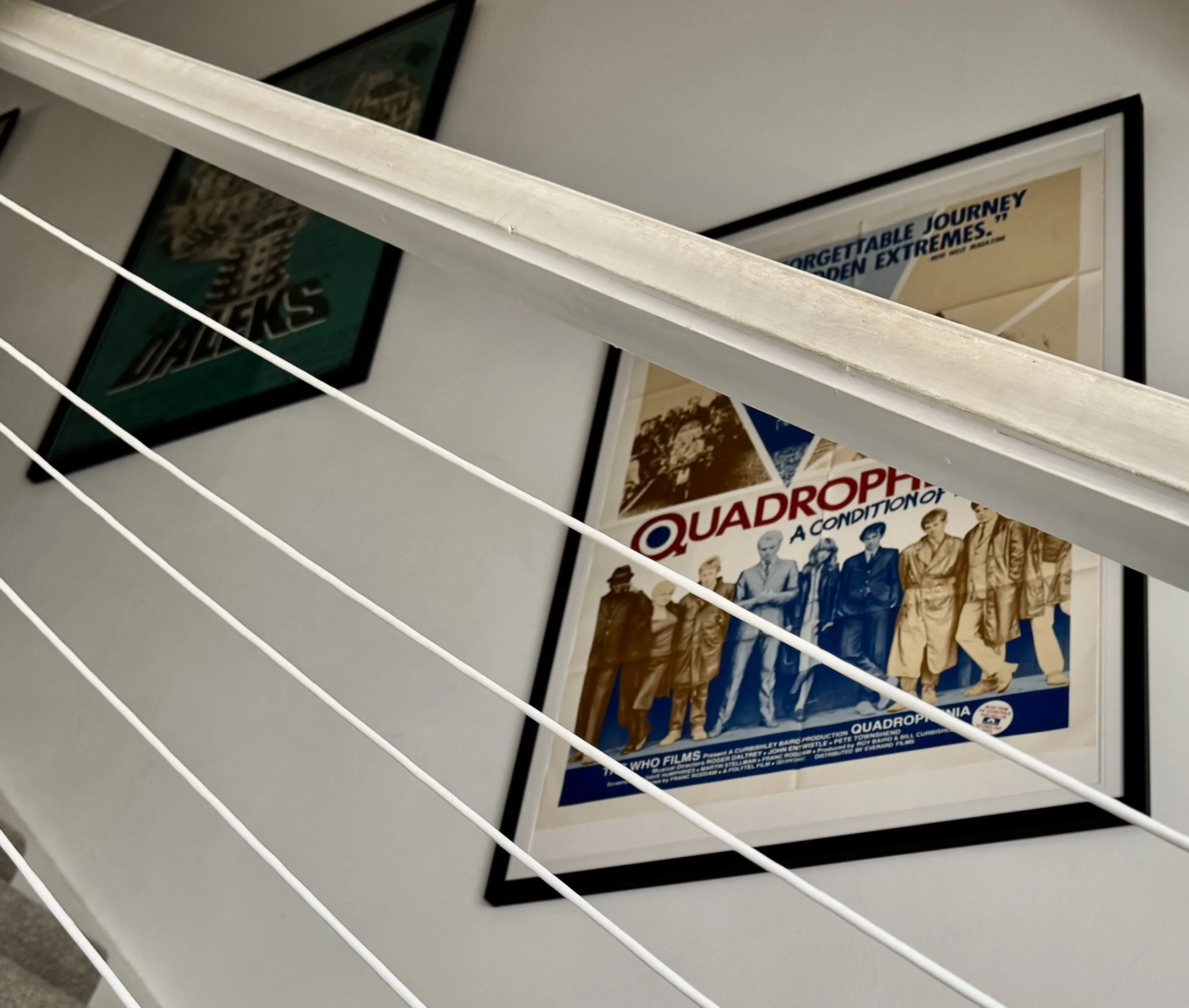
Poster Size will impact the cost of display, framing and restoration. Individual posters might vary slightly from the below but here is a guide to the most common poster types sold here at CCB:
United States
One Sheet: 27" x 40" (68.6 cm x 101.6 cm)
Bus Shelter / Diabolical: 48" x 70" (121.9 cm x 177.8 cm)
Half Sheet: 22" x 28" (55.9 cm x 71.1 cm)
Insert: 14" x 36" (35.6 cm x 91.4 cm)
Window Card: 14" x 22" (35.6 cm x 55.9 cm)
United States (Vintage / Pre-1980s)
Quad: 30" x 40" (76.2 cm x 101.6 cm)
One Sheet: 27" x 40" (68.6 cm x 101.6 cm)
Double Crown: 20" x 30" (50.8 cm x 76.2 cm)
France
Petite: 15.7" x 23.6" (40.0 cm x 60.0 cm)
Moyenne: 23.6" x 31.5" (60.0 cm x 80.0 cm)
Grande: 47.2" x 62.9" (120.0 cm x 160.0 cm)
Japan
B1: 28.7" x 40.6" (72.8 cm x 103.0 cm)
B2: 20.3" x 28.7" (51.5 cm x 72.8 cm)
Chirashi (B5): 7.2" x 10.1" (18.2 cm x 25.7 cm)
Italy
Locandina: 13.0" x 27.6" (33.0 cm x 70.0 cm)
Photobusta: 18.5" x 26.4" (47.0 cm x 67.0 cm)
Due Foglio (Two-Sheet): 39.4" x 55.1" (100.0 cm x 140.0 cm)
Quattro Foglio (Four-Sheet): 55.1" x 78.7" (140.0 cm x 200.0 cm) provided at source in 2 pieces
Belgium
Petite / Small: 11.8" x 15.7" (30.0 cm x 40.0 cm)
Moyenne / Medium: 14.2" x 21.3" (36.0 cm x 54.0 cm)
Grande / Large: 21.7" x 33.5" (55.0 cm x 85.0 cm)
Australia
Daybill: 13.0" x 30.0" (33.0 cm x 76.2 cm)
One Sheet: 27.0" x 40.0" (68.6 cm x 101.6 cm)
At CounterCulture, most of our posters are sold unframed, unrestored, in their original condition, allowing collectors to appreciate them as they were — raw, tactile, and unfiltered.
For those seeking to display pieces, we recommend professional framing using acid-free mounts, UV-protective glazing, and conservation-grade materials. vintage posters are usually uncommon frame sizes and custom frames will be required. Each frame should be tailored to the poster’s format and aesthetic, whether it’s a minimalist black edge for a punk-era Quad or a vintage oak for a noir classic.
In select cases, we also recommend restoration — carefully executed by specialists who understand how to retain the poster’s character while stabilising its condition. This might include flattening folds, repairing tears, or retouching faded inks. Restoration is always disclosed, and we only recommend it when it enhances longevity without compromising authenticity.
Linen-backing is a conservation technique used to preserve and stabilize vintage film posters. The poster is mounted onto acid-free linen or cotton paper using archival adhesives, flattening folds and reinforcing fragile areas. It enhances durability for framing while maintaining the poster’s original artwork and historical integrity.
Single-sided (SS) posters have printing on the front and white paper on the back, making them the industry standard for traditional framing. They are meant to be lit from the front, like a standard picture on your wall.
Double-sided (DS) posters feature the same artwork printed in reverse on the back. Studios began doing this in the late 1980s specifically for cinema lightboxes. When a light shines through the back, the reverse ink increasescolour saturation and prevents the image from looking washed out.